Semester 3Mathematics
Periodic and Orthogonal Functions
Periodic functions
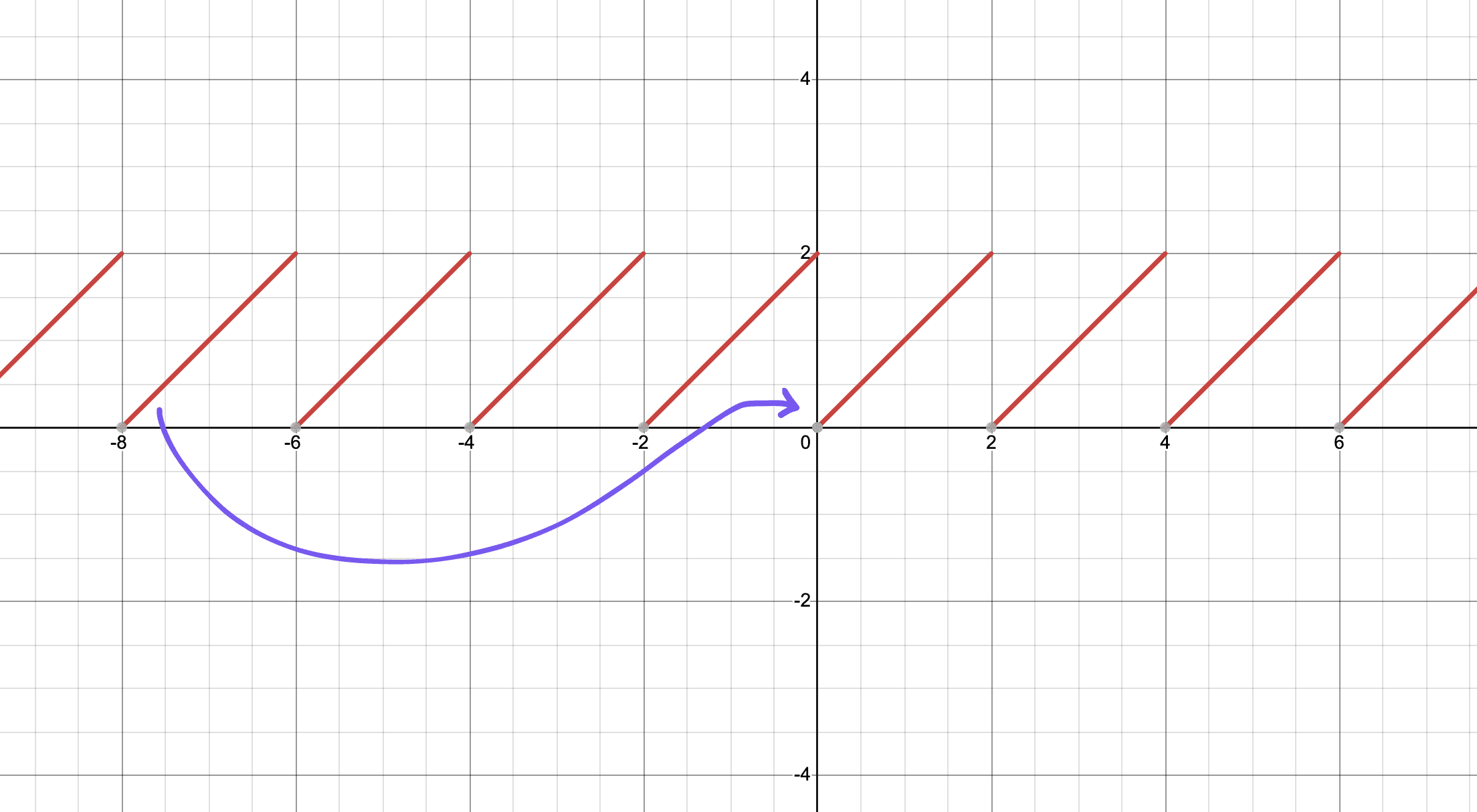
A function is meant to be periodic if, for every , there should be a such that this property holds.
i.e. for every piece like below, you should be able to shift it to the one that goes from origin by offsetting with some .
Terminology
- That is called "period" of .
- If from such periods, the smallest positive exists, called "Fundamental period" of .
- A function having period is called a -periodic function.
Orthogonal Functions
A function is orthogonal in an interval if, the product of those two functions does not produce a net area under the curve.
and are orthogonal in if,
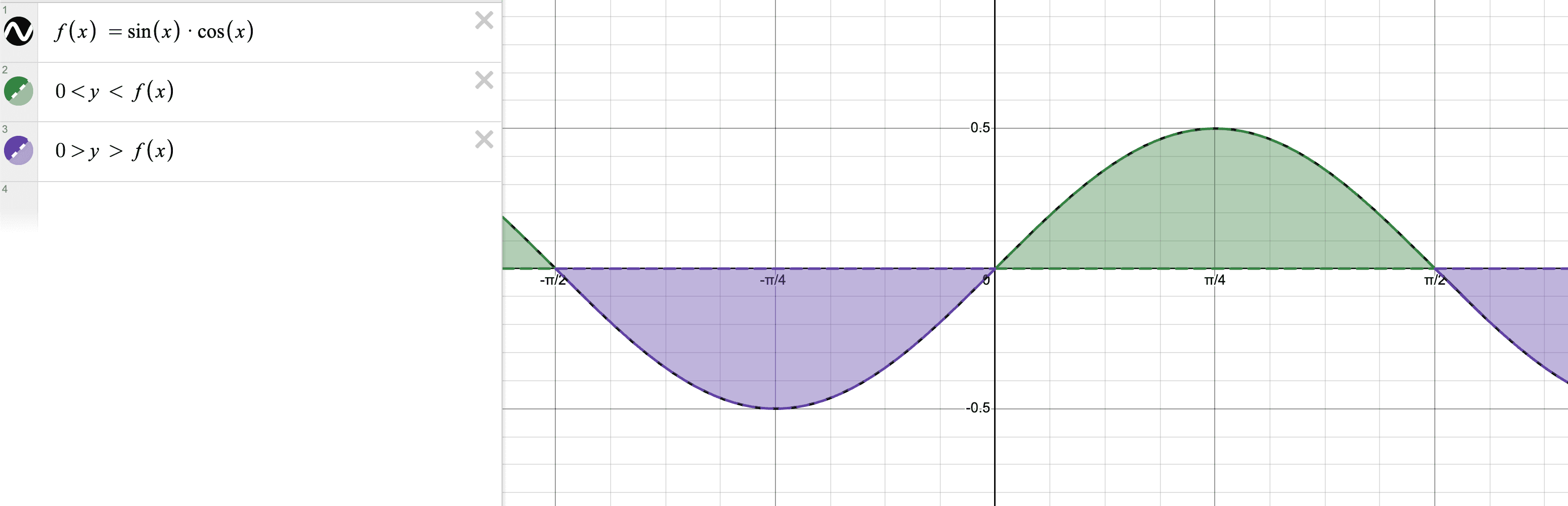
is orthogonal in
Note
A set of functions is said to be orthogonal on if every distinct pair of functions in the set are orthogonal on
Important
Note that can be replaced with (a, b), (a, bl, or a, b).